WHEAT
The biggest crop
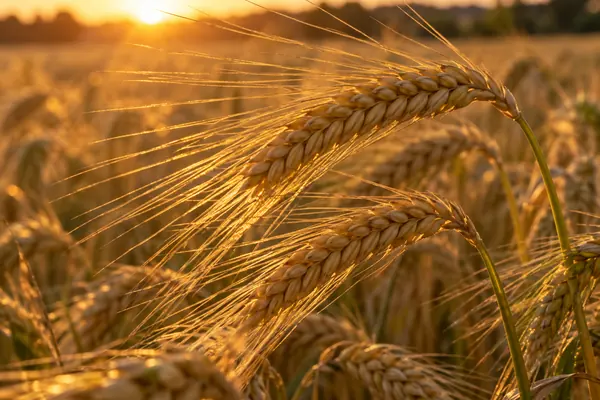
The UK wheat harvest was 12 million tonnes in 2025, from 1.7 million hectares. England's provisional 2026 crop is 10.8 million tonnes, up 0.8%.
See the numbers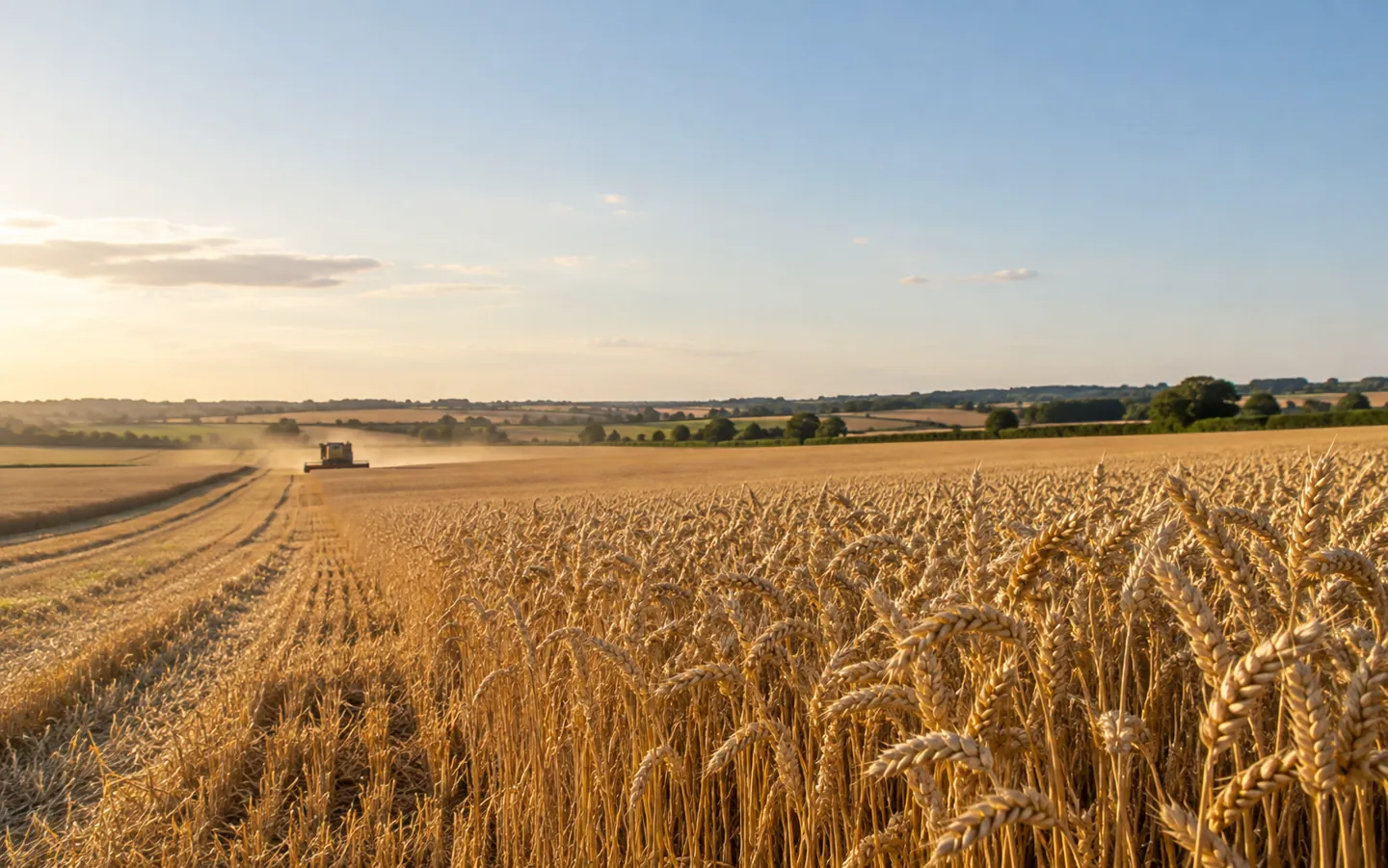
A PLAIN-ENGLISH GUIDE TO THE UK HARVEST
12 Mt UK wheat, 2025
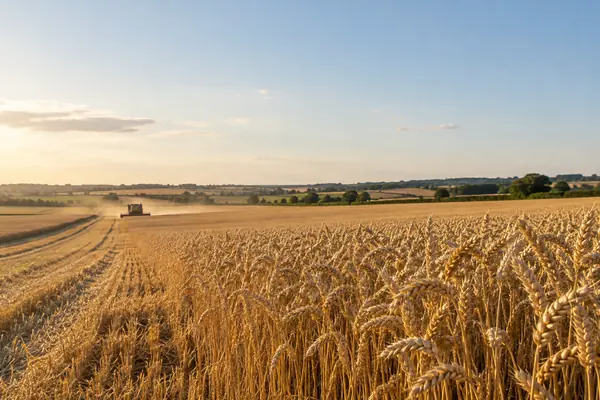
AI-generated image, not a photograph of a real person or place.
Every autumn, Defra counts the cereal harvest.
It surveys growers on the land they planted, the yield per hectare and the tonnes they harvested. Wheat is by far the biggest crop, then barley, then oats, and the 2026 figures show what a hot, dry growing season does.
THE SHORT ANSWER
Three main cereals,
three different stories in 2026.
WHEAT
The UK wheat harvest was 12 million tonnes in 2025, from 1.7 million hectares. England's provisional 2026 crop is 10.8 million tonnes, up 0.8%.
See the numbersBARLEY
England's 2026 barley harvest is 3.7 million tonnes, the smallest since 2012, after a 23% fall in spring barley production.
Compare the areasOATS
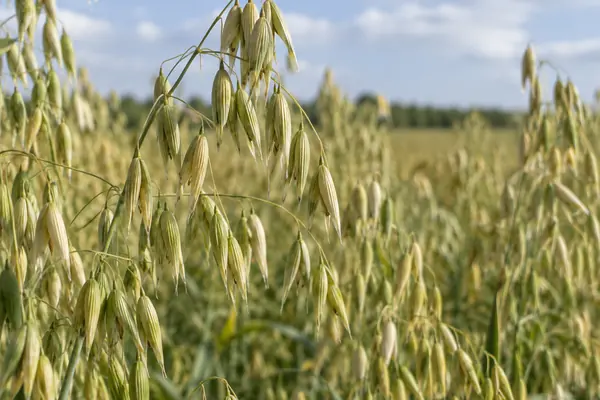
England's oat area fell by 21% and yields by 11% in 2026, giving 527 thousand tonnes, also the smallest harvest since 2012.
Why 2026 was hard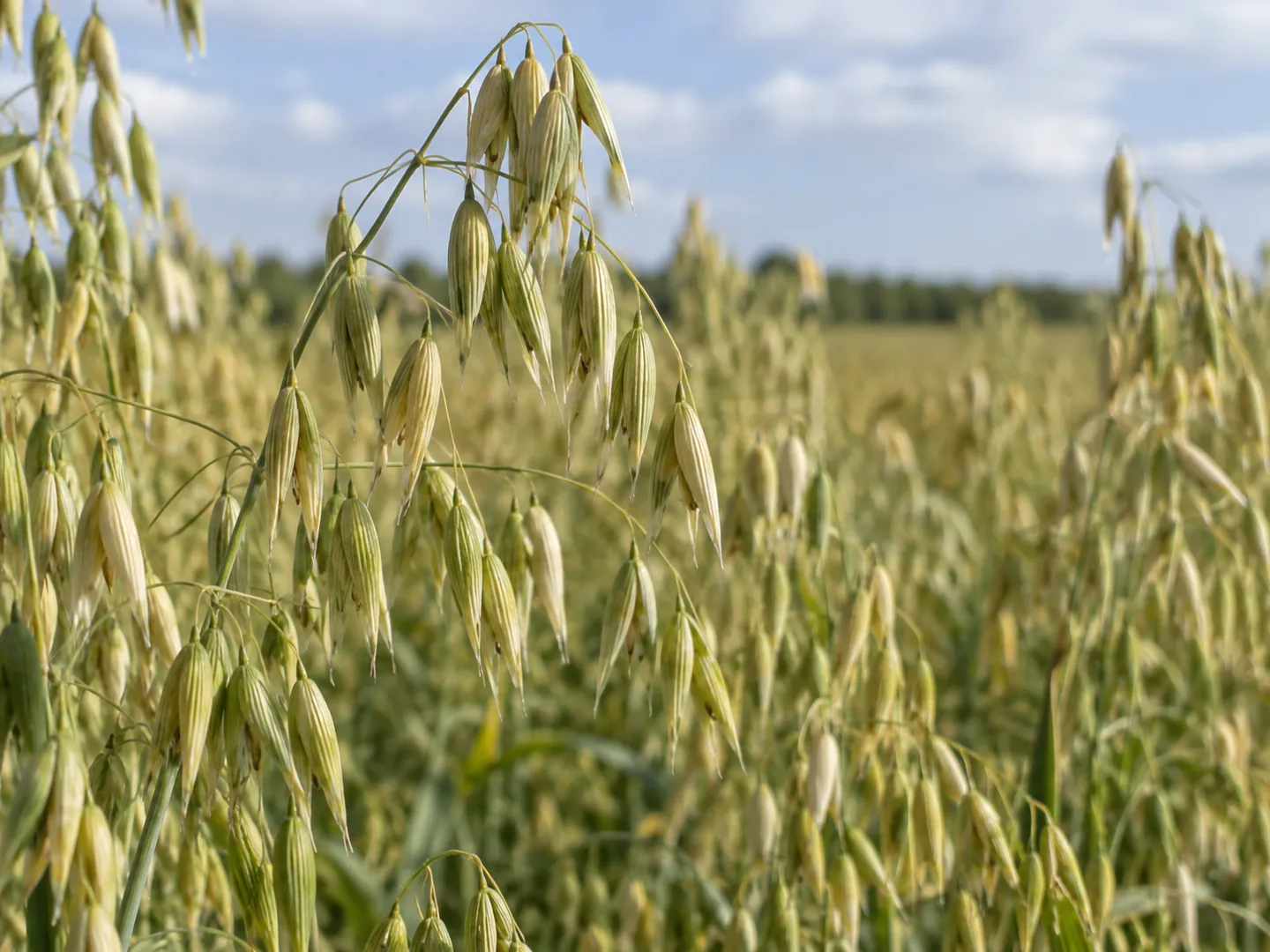
HOW TO READ HARVEST STATISTICS
Defra's cereal releases are accredited official statistics. These notes, from its methodology, help make sense of the headlines.
A bigger crop can come from more land, a better yield, or both. In 2025, UK wheat rose 7.3% even though yield fell.
England's provisional figures come in October; final UK figures follow in December and can change.
Since 2022, production is only adjusted where growers report cereal moisture above 14.5%.
England's 2025 final results came from 1,792 holdings, a 36% response rate, drawn from all regions and farm sizes.
TWO NUMBERS WORTH KNOWING
One UK final figure,
one England provisional figure.
12 million tonnes
Wheat harvested across the UK
Up 7.3% on 2024, because the wheat area rose 9.1% to 1.7 million hectares, while the yield slipped 1.7% to 7.2 tonnes per hectare.
UK WHEAT · DEFRA, 2025 FINAL
−29%
Fall in oat production on 2025
England's oat harvest fell to 527 thousand tonnes, with average yields ranging from 6.2 t/ha in the North East to 3.4 t/ha in the South West.
ENGLAND OATS · DEFRA, 2026 PROVISIONAL
Provisional England estimates are published in October and final UK figures in December, so 2026 numbers may still be revised.
WHO GETS THE LAND?
Pick a crop. The value is its area in England at 1 June 2026, out of 2.4 million hectares of cereals in total. The bar shows how big a share that is.
From Defra's June survey of agriculture. Other cereals (mixed grain and triticale) covered 28 thousand hectares.
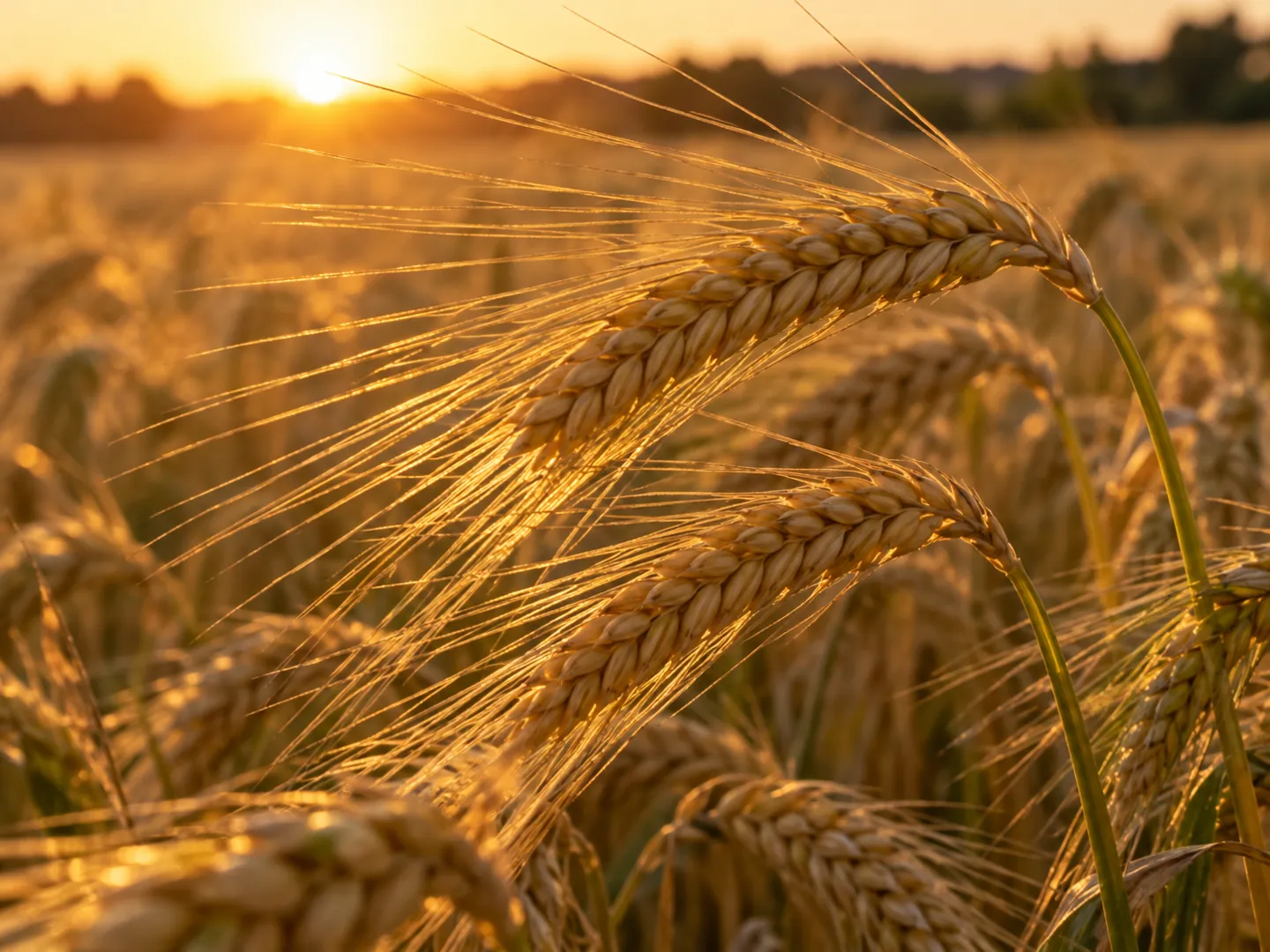
WHY 2026 WAS HARD
Defra reports good drilling and planting conditions in autumn 2025, but hot weather and limited rainfall in the growing season hampered the 2026 harvest. Northern regions generally fared slightly better than southern ones, and the North East had the highest wheat yields at 8.4 t/ha.
Straw is a harvest too. England's wheat straw is estimated up 24% to 3.2 million tonnes in 2026. The most common use is selling or exchanging it for animal feed and bedding, at 42% of straw production, followed by farms' own bedding and feed at 32%.
In conversation
Defra's final estimate for 2025 is 12 million tonnes, from 1.7 million hectares at an average yield of 7.2 tonnes per hectare.
Defra says hot weather and limited rainfall during the growing season hampered the 2026 cereal and oilseed harvest, with much variation between regions.
Defra records them separately, and they can move in opposite directions. In England in 2026, winter barley area rose 1.6% while spring barley fell 16.7%, and spring barley production fell 23%.
Provisional England estimates are published in October, and final UK estimates in December, on GOV.UK.
In England in 2026, 42% of straw was sold or exchanged for feed and bedding, and 32% was kept on the farm for bedding or feed. Smaller shares went to biomass and other uses.
Each figure on this page comes from the sources below.
ABOUT THIS NAME
doodlescereal.com is part of the DoodleSale portfolio. It isn't in an auction right now, but you can ask about leasing it.